
 Home
Home Tibet Tour
  Chengdu Tour
  Local Culture
 About Us
 Reservation
Wechat

Contact Us
on Wechat
Phone
+86-18889096622

E-mail
pemasp0929@gmail.com

WhatsApp

Contact Us
on WhatsApp
Welcome to the Roof of the World - Xizang.
Please fill in the following information and we will tailor a memorable journey for you to create a wonderful trip to Tibet.
Full Name (as in passport):
Nationality:
Email Address/WhatsApp:
3-Day Luxury Short Break - Immersive Cultural Experience
introduction
This programme is designed for those wishing to immerse themselves in Tibetan culture within a short timeframe. Over three days, we shall guide you through the cultural fabric of Tibet, offering profound insights into the daily lives and traditions of its local inhabitants.
Throughout the journey, we shall present Tibet through three dimensions: cuisine, culture, and scenery. Culture: Witness monks debating at Sera Monastery, observing the clash of Buddhist wisdom while your guide interprets the profound Buddhist philosophy behind the discussions. Participate in crafting traditional Tibetan tsangyangs (a distinctive ethnic flavour), an essential item in Tibetan daily life. Appreciate Tibet's intangible cultural heritage—thangkas—and personally engage in thangka creation under the guidance of a master artist. Cuisine: Savour morning sweet tea and Tibetan noodles, dine on regional delicacies within traditional Tibetan architecture, and enjoy an auditory feast alongside your meal while experiencing Tibetan song and dance performances. Scenery: Behold sacred mountains, the Potala Palace, and ancient monasteries.
Peace of Mind: Oxygen supply throughout (oxygen-equipped hotels + mobile oxygen units), 24/7 attentive concierge service, and provision of altitude sickness medication.
Hassle-Free Service

Tibet Entry Permit
Complimentary processing of your Tibet Entry Permit/Full guidance throughout the visa application process

Language
Multilingual services available/Guides/Translation devices

Currency
Support for international payment methods and foreign currency exchange

WIFI
Portable Wi-Fi provided throughout your journey

Services
Altitude sickness medication and treatment

Insurance
Travel safety protocols and insurance coverage
ITINERARY
- D1
Sweet Tea House, Barkhor Shopping Centre - Tibet Museum - Debates at Sera Monastery - Princess Wencheng
Welcome to the Tibetan Life Experience Day! Today we shall take you beyond the tourist perspective, into the ordinary lanes and alleys of Lhasa's Old Town. Immerse yourself in the authentic, unadorned daily life of our Tibetan compatriots and touch the most genuine essence of Tibetan life.
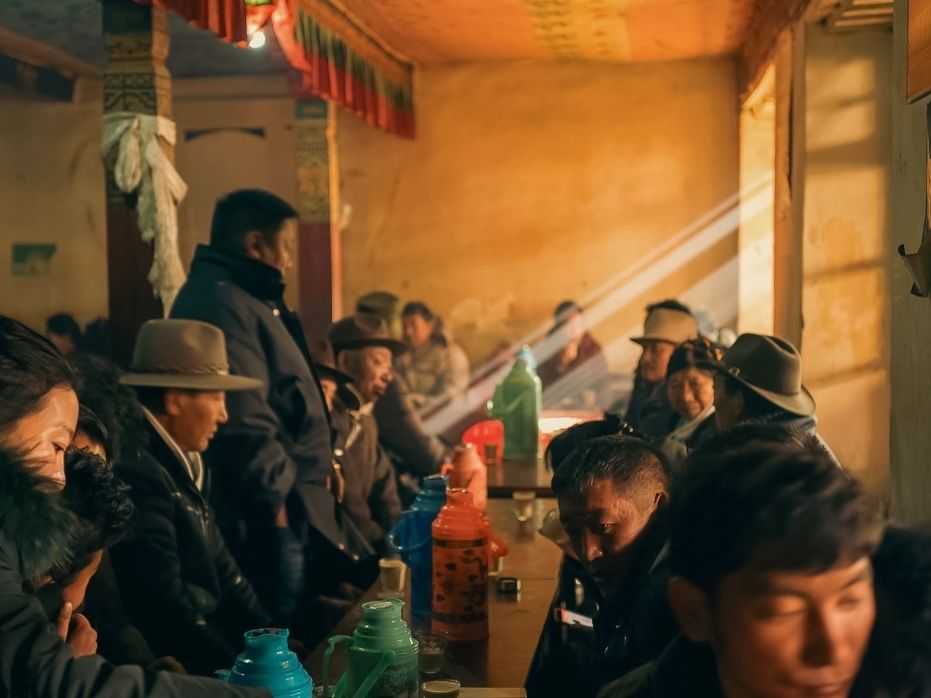
Early morning, guided by our tour leader, we venture into Lhasa's residential quarters (away from tourist hubs). We slip into a corner teahouse to experience Tibetan morning tea culture, savouring sweet tea and Tibetan noodles. Here you'll witness a microcosm of local Tibetan life and feel the slow rhythm of Tibetan existence.
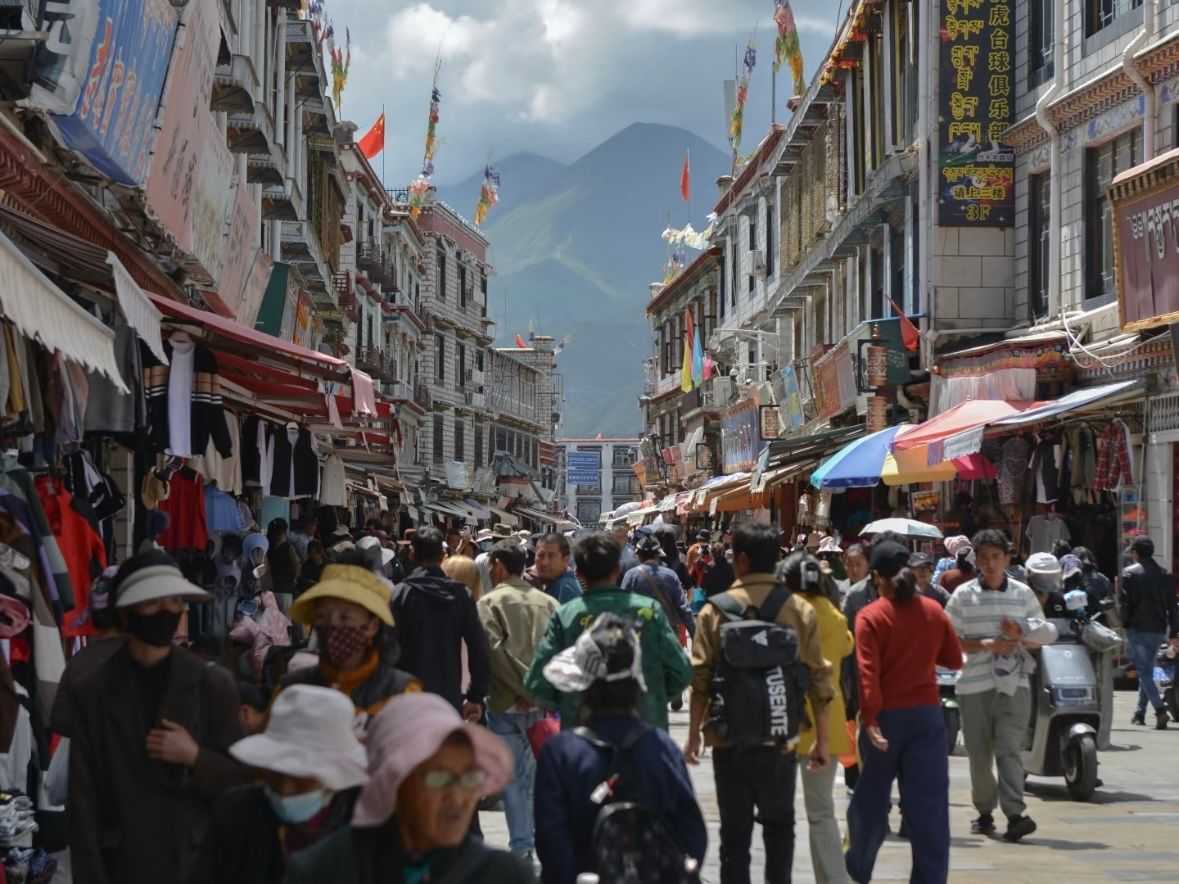
Proceed to the local markets surrounding Barkhor Street (distinct from the tourist shopping streets), the primary hub where Lhasa's Tibetan residents procure daily necessities.
Both sides of the street are lined with fresh yak meat, Tibetan pigs, barley, butter, dried meat, alongside vibrant Tibetan costume fabrics, handcrafted Tibetan jewellery, and religious items (prayer flags, prayer wheels). Gain firsthand insight into Tibetan consumption habits and life wisdom, while sampling authentic local snacks (such as Tibetan noodles, jelly desserts, and yoghurt) amidst the vibrant bustle of street life.
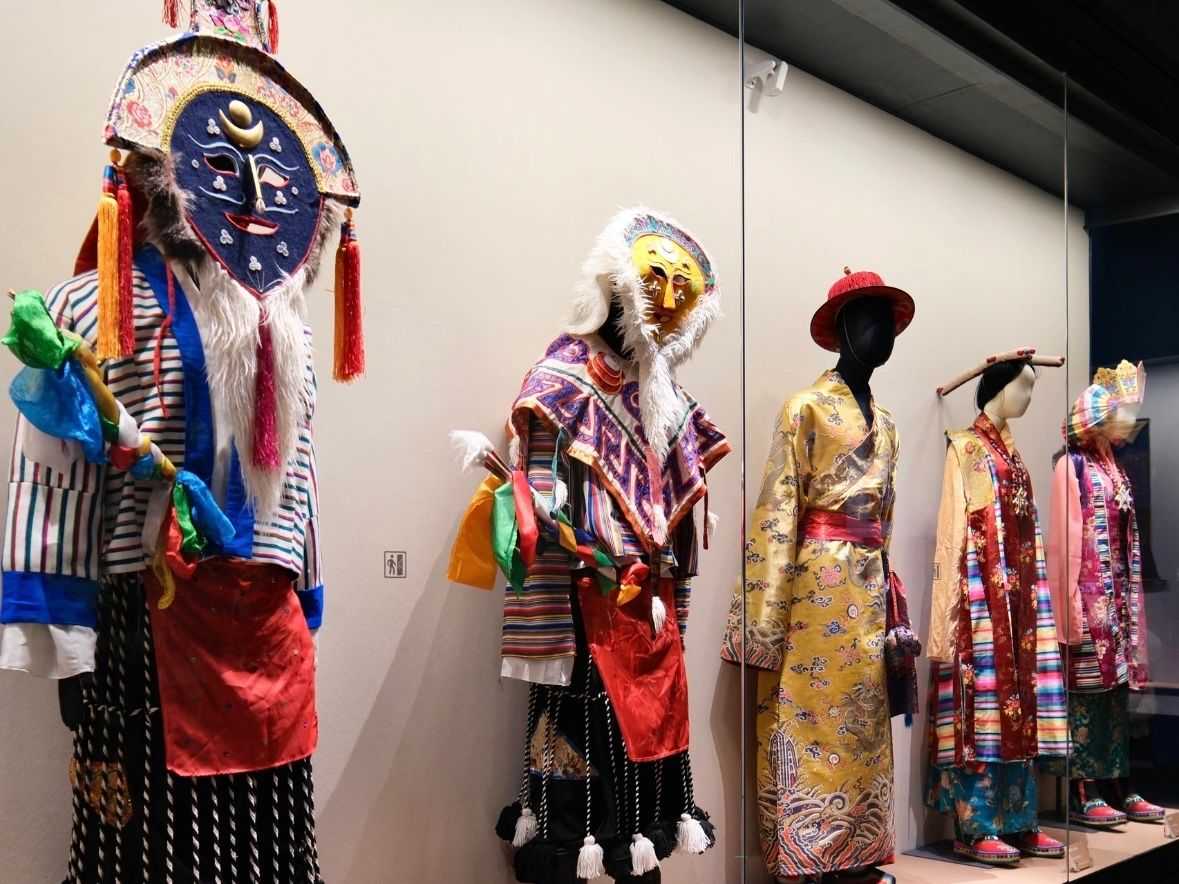
Next, visit the Tibet Museum – the world's highest-altitude museum – to explore over 1,400 years of Tibetan cultural history.
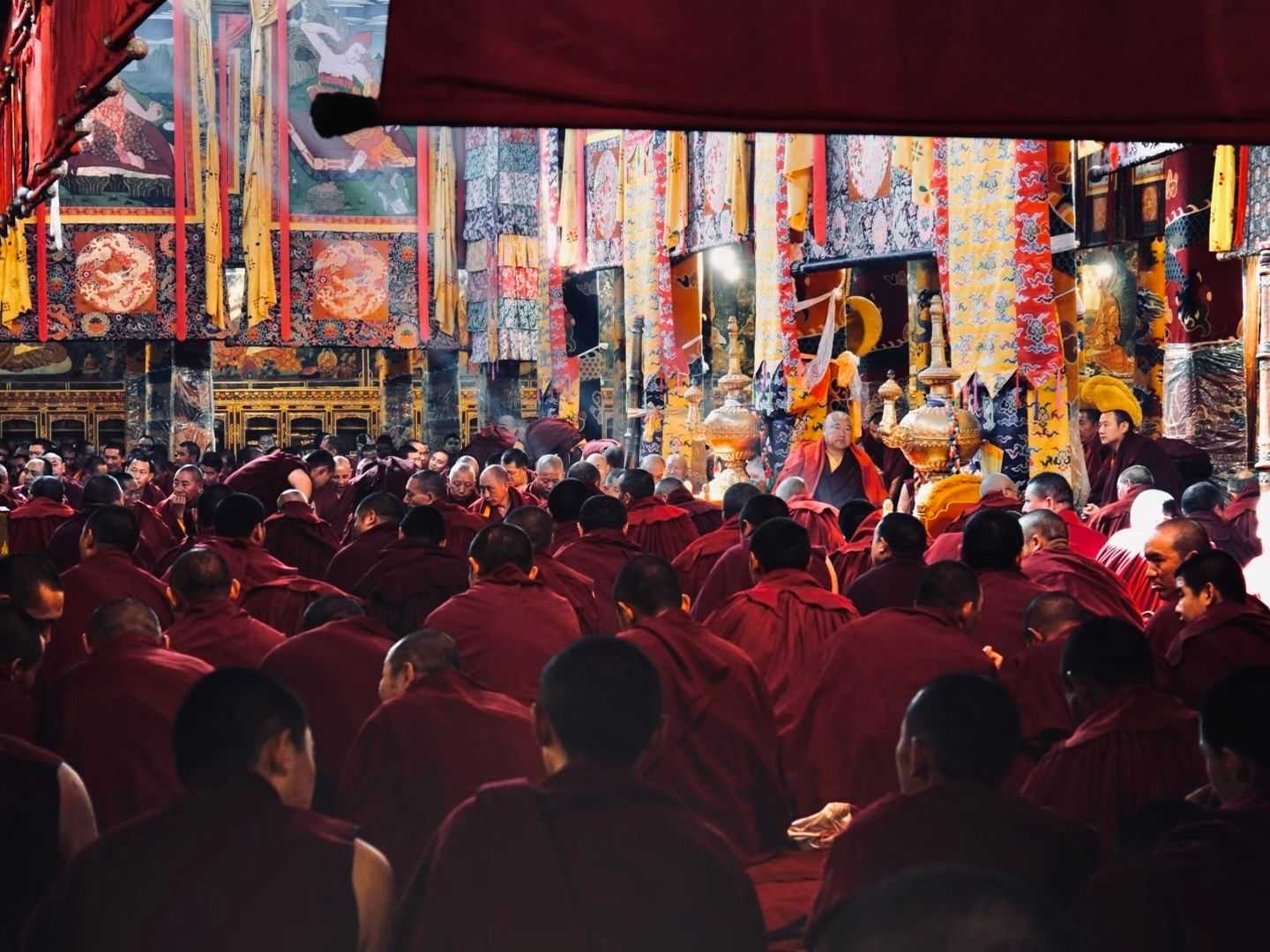
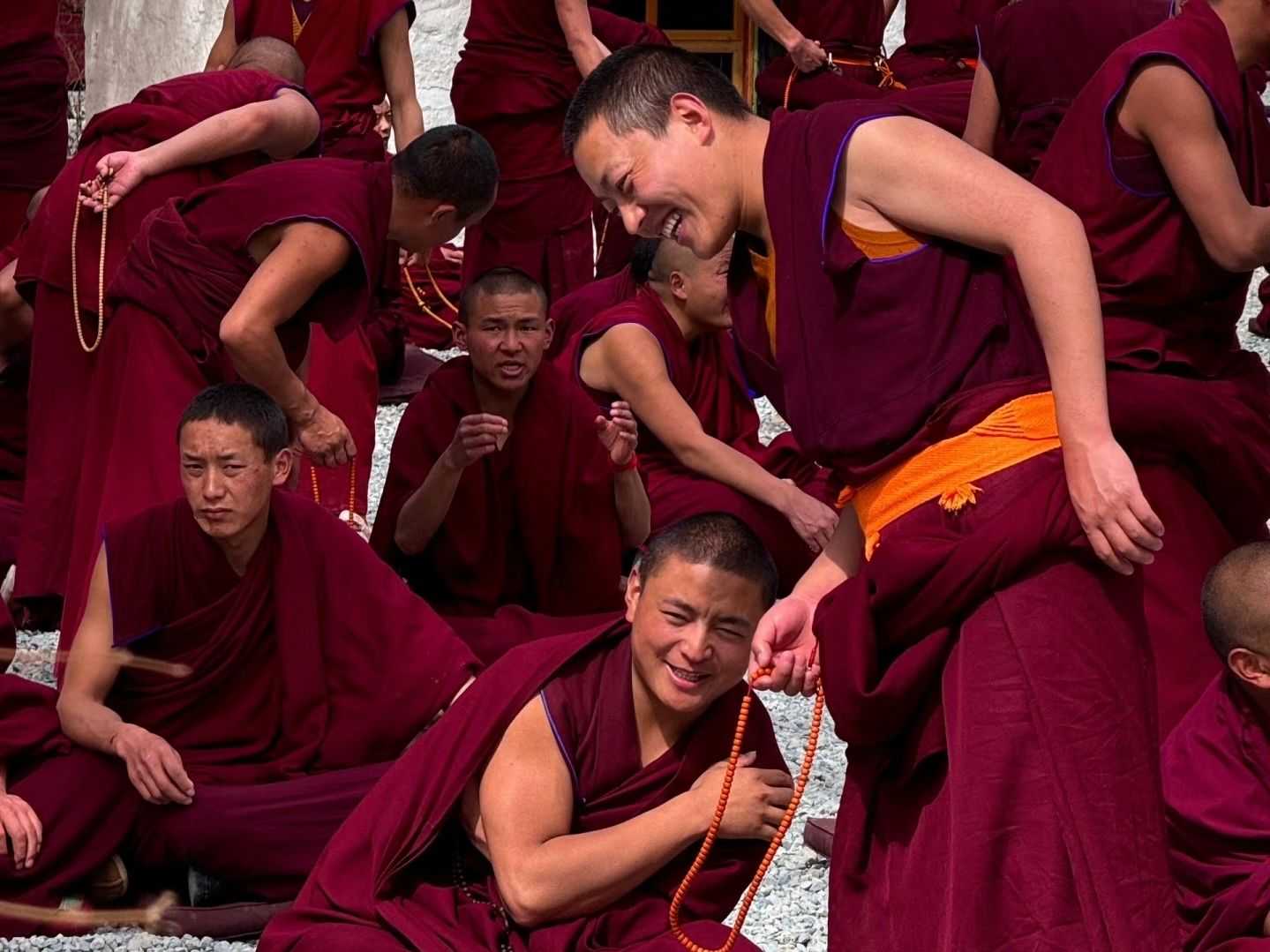
At 3pm, witness the debate sessions at Sera Monastery, an unmissable feast of intellectual exchange. Monks engage in debates using the unique learning method of Buddhist logic, known as Nyāya. Questioners employ expressive gestures like clapping hands and pacing, while respondents must respond with composure. The entire process resembles a "spiritual dance" brimming with wisdom. Even without understanding Tibetan, one is profoundly moved by the atmosphere of intense focus in the pursuit of truth.
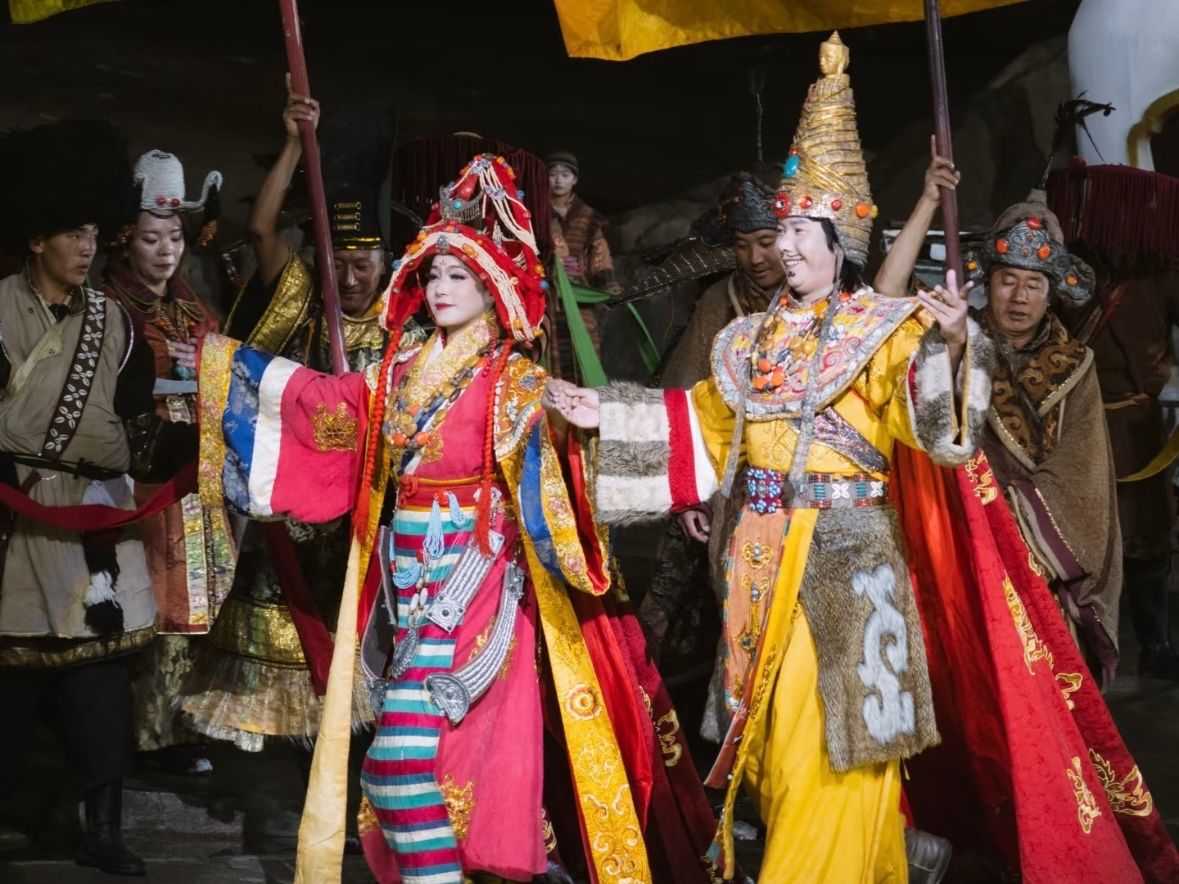
At 9pm, witness the grand open-air spectacle Princess Wencheng. Immerse yourself in rich Tibetan culture through this epic tale of Han-Tibetan cultural exchange, centred on the Tang dynasty princess's marriage alliance with the Tibetan king Songtsen Gampo. Recognised as a UNESCO Intangible Cultural Heritage, the production weaves together dozens of Han and Tibetan intangible heritage elements—including Tibetan opera, Tsho dance, Daga drumming, chanting of Buddhist mantras), earning it the title of "living encyclopaedia of Tibetan culture." An absolute must-see during any visit to Tibet, it promises an utterly spectacular experience.
- D2
Retsang Monastery, Millennium Cypress Trees - Shilin Monastery - Pangda Reservoir - Tibetan Medicinal Bath
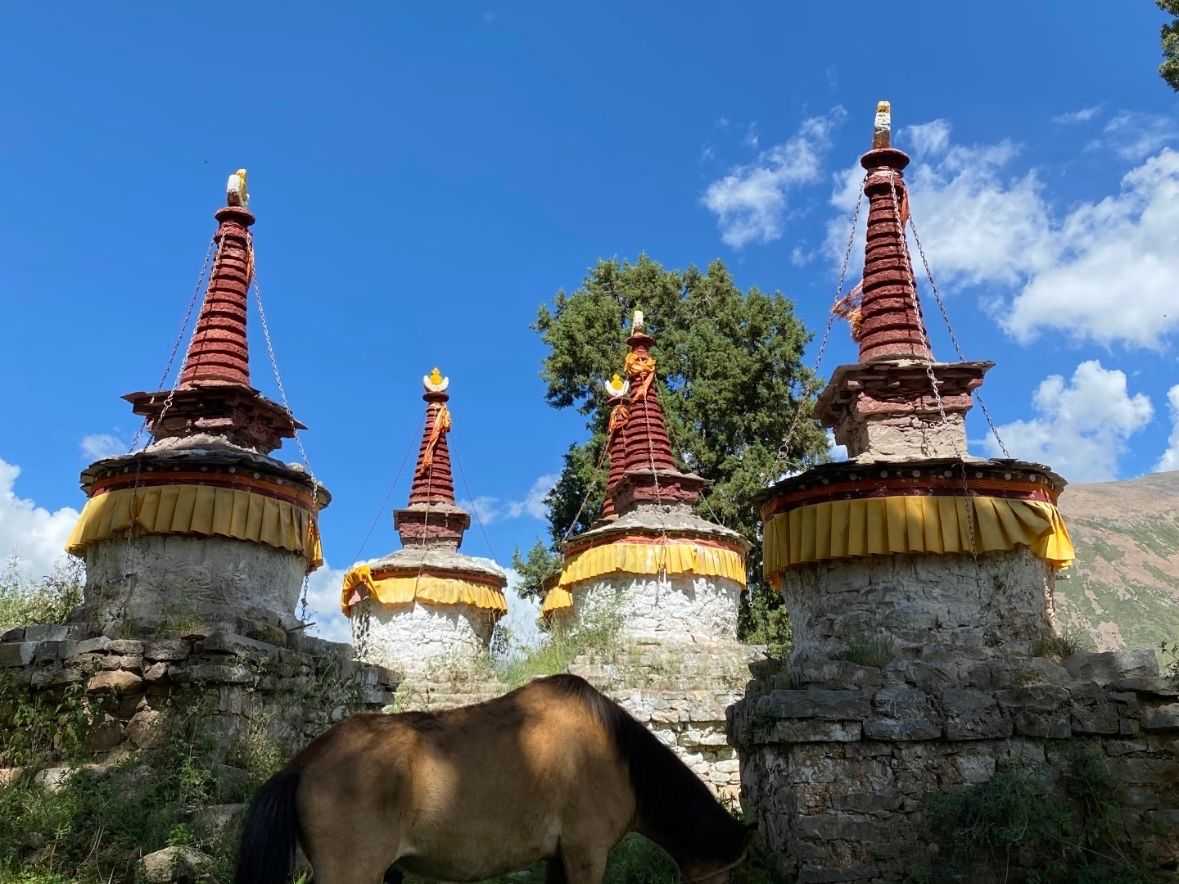
Retsang Monastery, situated in Linzhu County, Lhasa City, Tibet, is the ancestral seat of the Kadam School of Tibetan Buddhism, founded in 1056. The name "Retsang" signifies "the eradication of all afflictions." The monastery later converted to the Gelug school. Its main structure, the Tsokchen Assembly Hall, houses the statue of Jépa Gyangpa Dorje and the stupa containing the relics of Zhongdunba. The architecture blends Tibetan style with religious symbolism. Surrounding the monastery stands a grove of ancient cypress trees, said to have grown from the shampoo used by Songtsen Gampo. These trees possess a profound spiritual quality, making them ideal for meditation and tree-hugging practices.
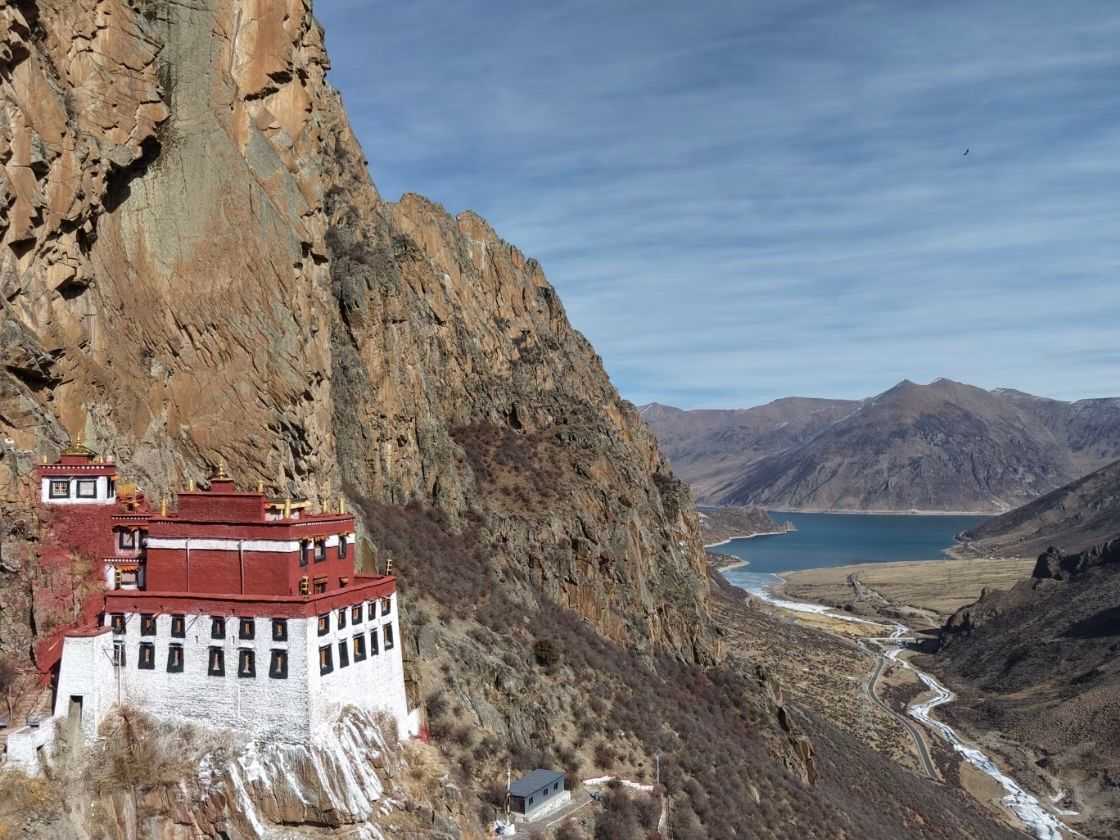
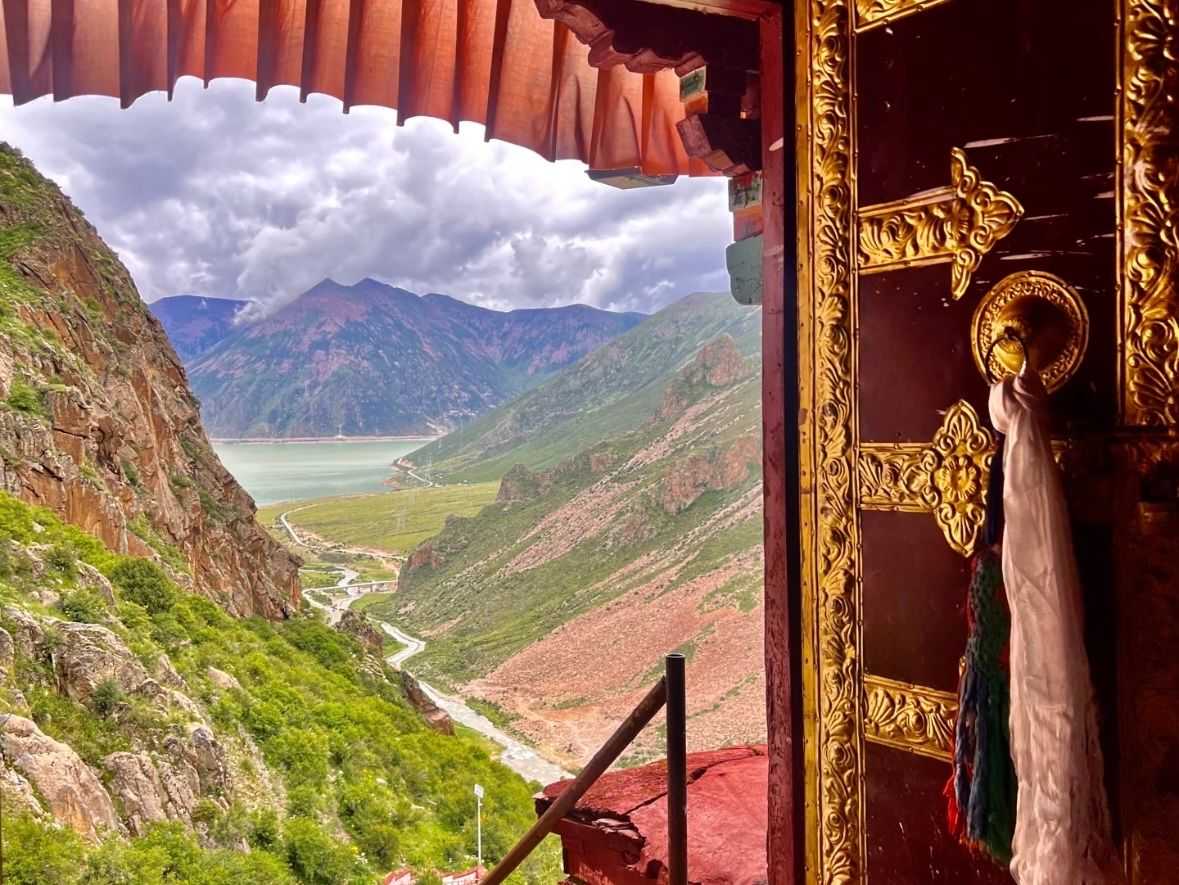
Siling Monastery, perched on a sheer cliff face at an altitude of approximately 4,300–4,500 metres, is a Tibetan Buddhist monastery of the Drukpa Kagyu lineage. Its Tibetan name "Siling" translates as "Lion Forest", derived from the rear mountain's rock formations resembling a lion amidst dense surrounding woodland. The architecture clings to the mountainside, its red and white hues forming a precarious silhouette, earning it the moniker "Tibet's version of Bhutan's Tiger's Nest Monastery." Within, exquisite murals, Buddhist statues, and sacred sites like the Dalong Tamba's meditation cave remain preserved. Ascending to the summit offers breathtaking views overlooking the emerald-green Pangdo Reservoir. Currently free to visit, access requires self-drive, with the journey offering superb vistas of snow-capped mountains and lakes.
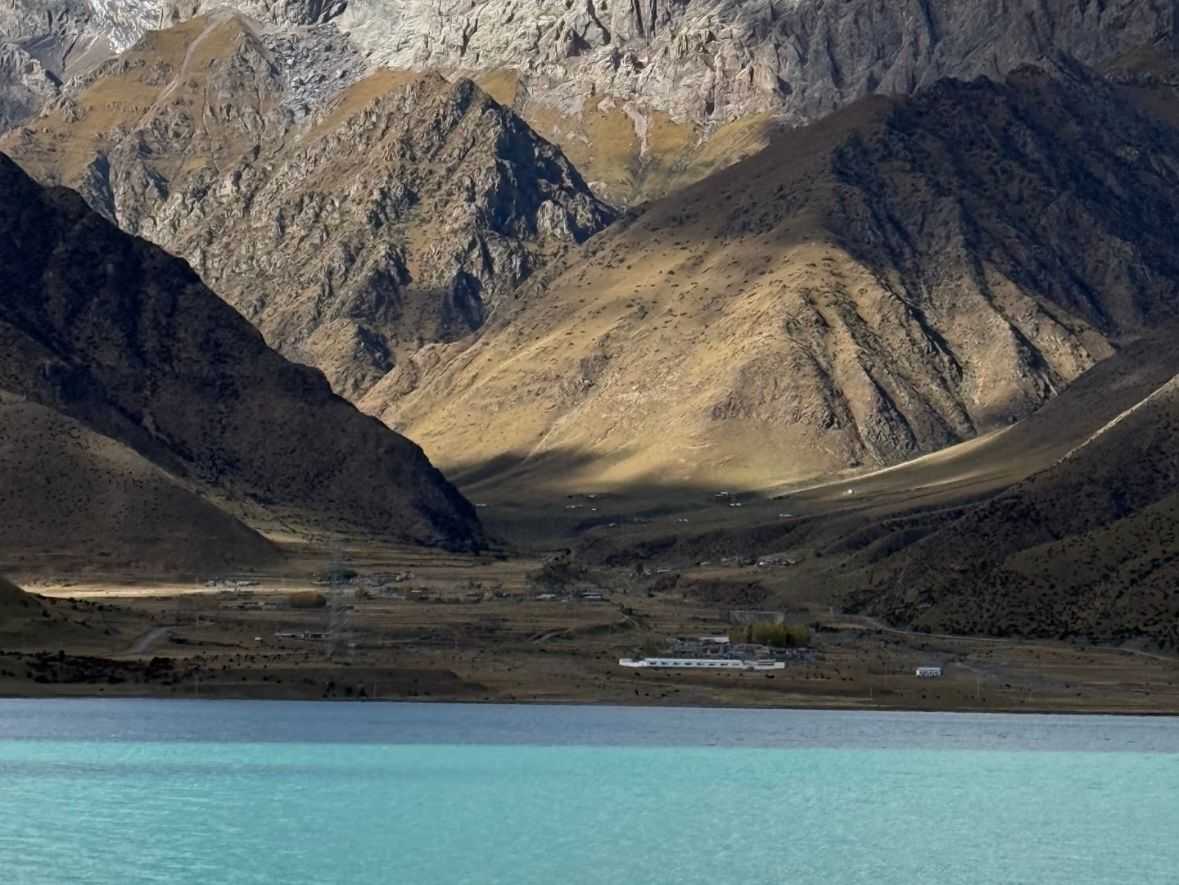
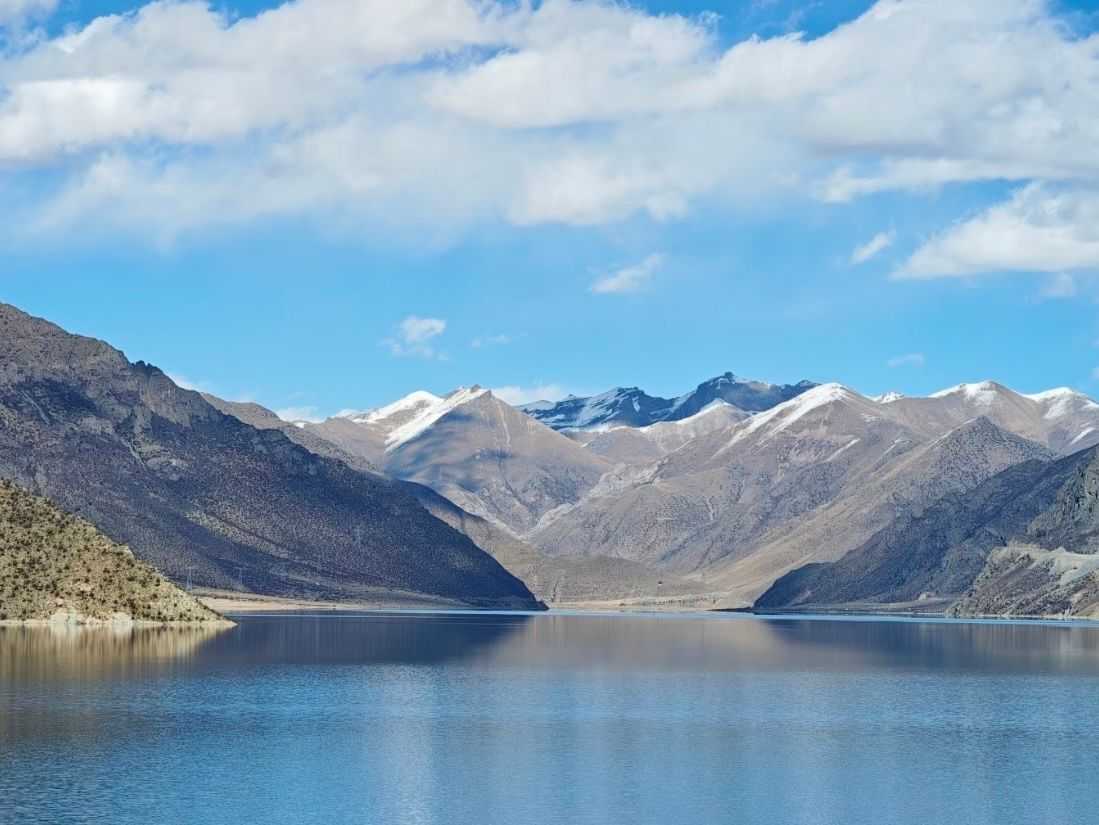
Pangdo Reservoir ranks among Tibet's largest reservoirs, situated in Pangdo Township, Linzhuo County along the middle reaches of the Lhasa River, approximately 95 kilometres from Lhasa city centre. With a total capacity of 1.23 billion cubic metres—equivalent to 90 times the volume of West Lake—it is hailed as the "Tibetan Three Gorges". Serving as Lhasa's primary water source, it supplies roughly 130 million cubic metres of water annually for both domestic and industrial use.
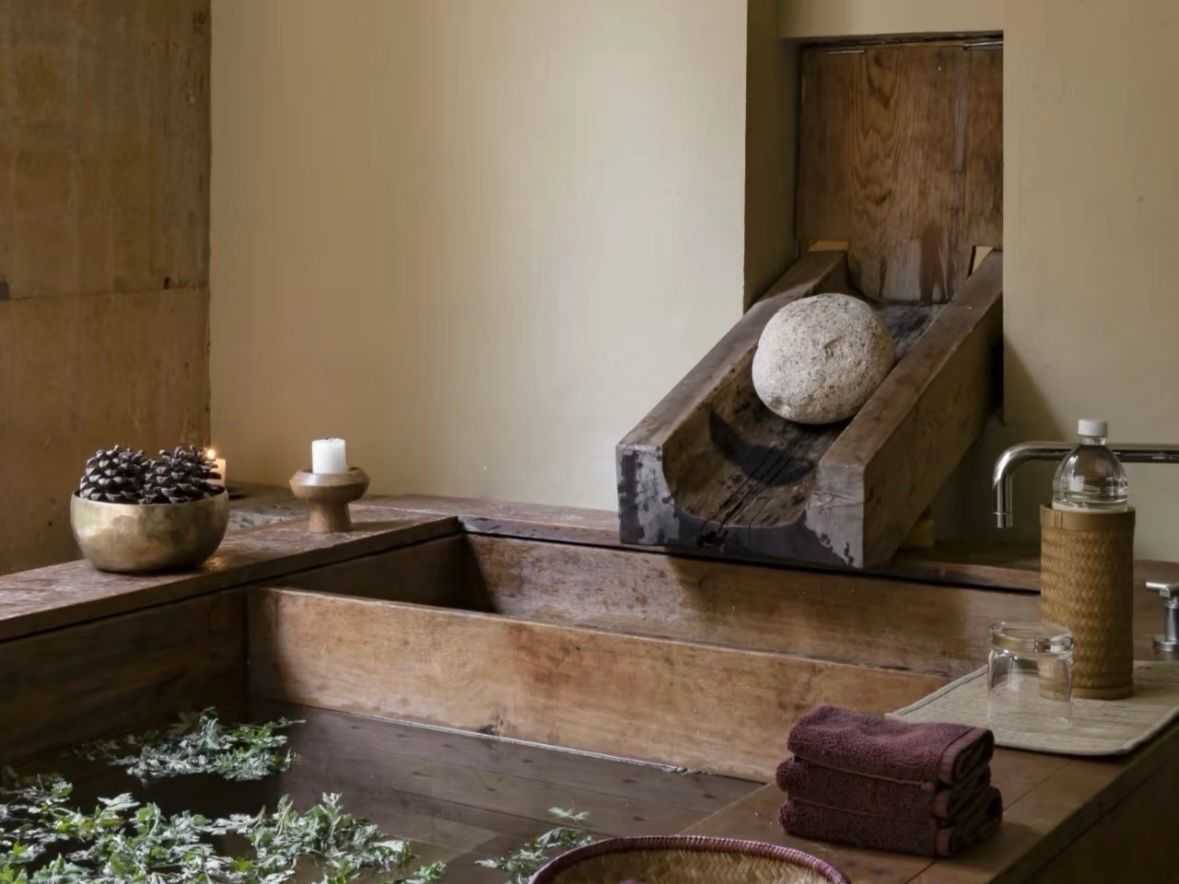
Tibetan medicinal bathing is a profound discipline rooted in the Tibetan people's unique understanding of life, nature, and illness. It represents a holistic Tibetan philosophy of health and lifestyle, inscribed on the UNESCO Intangible Cultural Heritage List in 2018. It alleviates travel fatigue, improves sleep quality, and aids acclimatisation to high altitudes. Within private bathing rooms, one immerses in warm medicinal waters enveloping the entire body, accompanied by soothing Tibetan melodies, allowing both body and mind to achieve profound relaxation.
- D3
Potala Palace - Mount Qomolangma Sacred Mountain - Tibetan Incense Making Experience - Tibetan Script Carving Craftsmanship - Songtsen Cuisine
Today marks our 'Deep Cultural Immersion Day', taking you to explore Lhasa's core religious landmarks before experiencing the profound heritage and wisdom of Tibetan culture through traditional crafts and wellness practices.
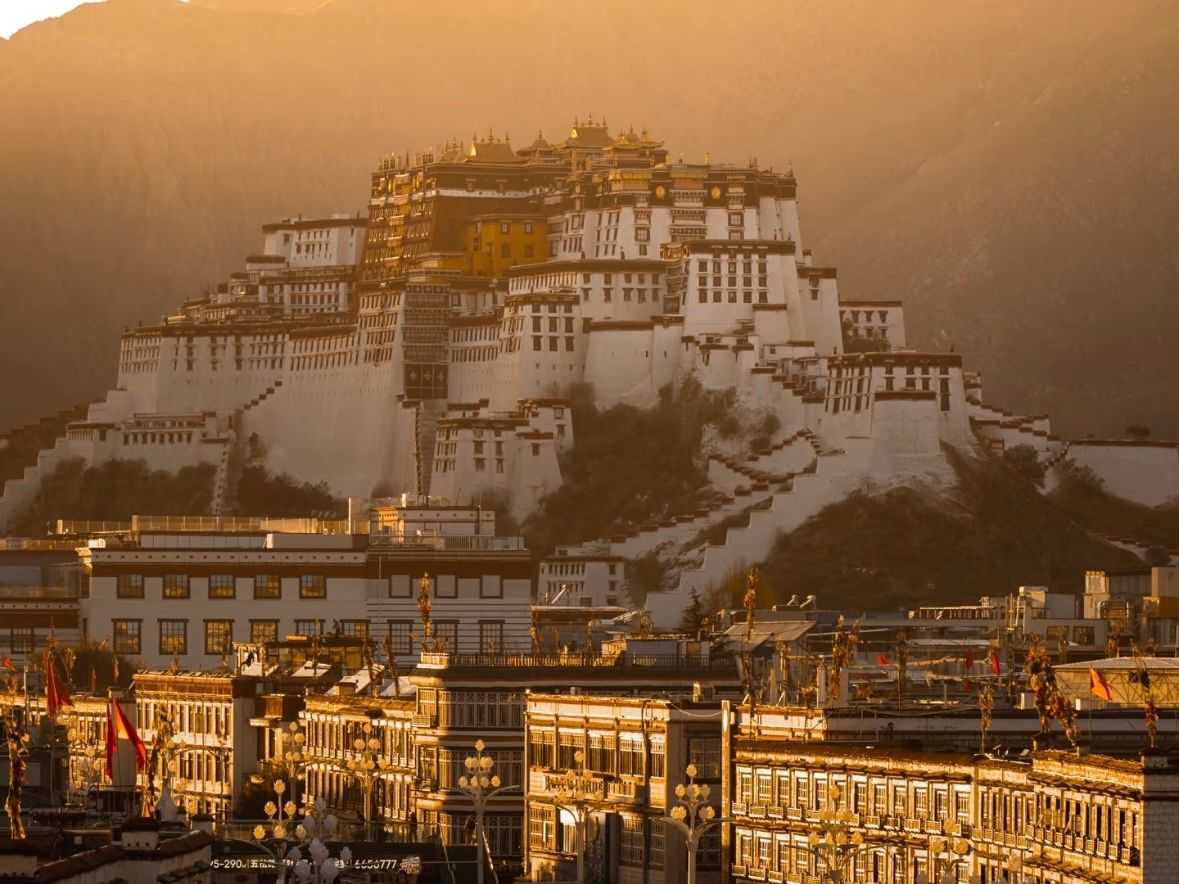
This morning, we proceed to the Potala Palace (with pre-booked exclusive guided access to avoid peak crowds) – the world's highest palace complex, standing as both a spiritual symbol and artistic treasure of Tibetan Buddhism. Under the guide's detailed narration, you shall tour the Red Palace and White Palace in sequence: the Red Palace enshrines the stupa shrines of successive Dalai Lamas (such as the Fifth Dalai Lama's stupa, inlaid with tens of thousands of jewels), while its murals chronicle Tibetan history and religious narratives, each serving as a "mobile Buddhist scripture"; Within the White Palace, the East Hall and Sunlight Hall once served as the Dalai Lama's administrative and residential quarters. Here, you will learn of the legendary union between Songtsen Gampo and Princess Wencheng, and witness the exquisite craftsmanship of Tibetan architecture—characterised by stone-and-timber structures with gilded roofs and upturned eaves—while experiencing the solemnity and sanctity of this "Highland Sanctuary".
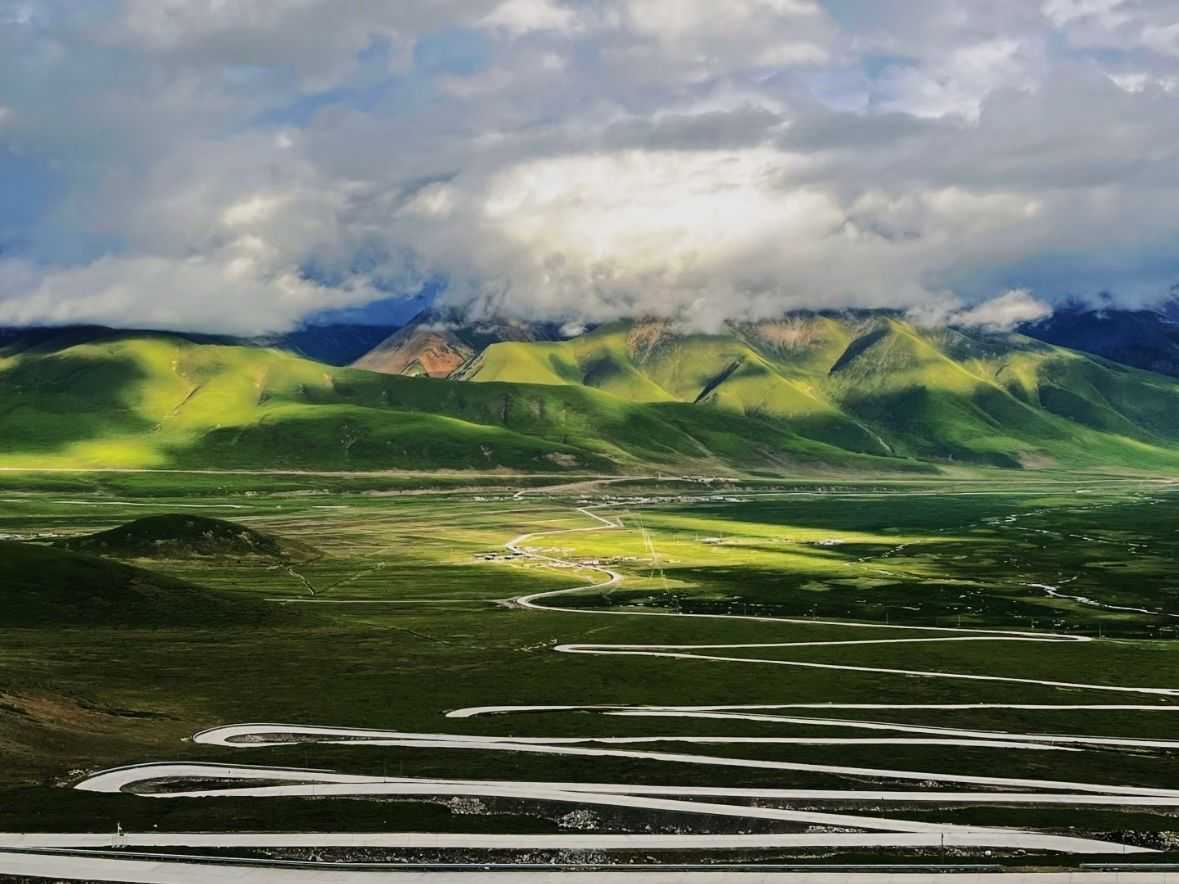
Mount Qomolangma, situated in Majiang Township, Nyimu County, Lhasa, Tibet, stands at 7,048 metres above sea level. As the highest peak in the southern reaches of the Nyainqentanglha Range, its Tibetan name translates as "Scholarly Fairy." Legend holds it to be the protective guardian mountain manifested by Padmasambhava after subduing a sorceress. The scenic area is renowned for its pyramid-shaped horn peaks, majestic glaciers, and blue ice lakes. In winter, the lake surface displays deep blue ice fissures, while in summer, the waters transform into a kaleidoscope of colours. The mountain slopes house 108 sacred sites, including Sangyan Cave, preserving ancient spiritual traditions. Situated approximately 160 kilometres from Lhasa, with a sanitation fee of 10-20 yuan, it offers trekking routes to a glacial lake at 5,300 metres. This plateau sanctuary seamlessly blends snow-capped peaks, glaciers, and religious culture.
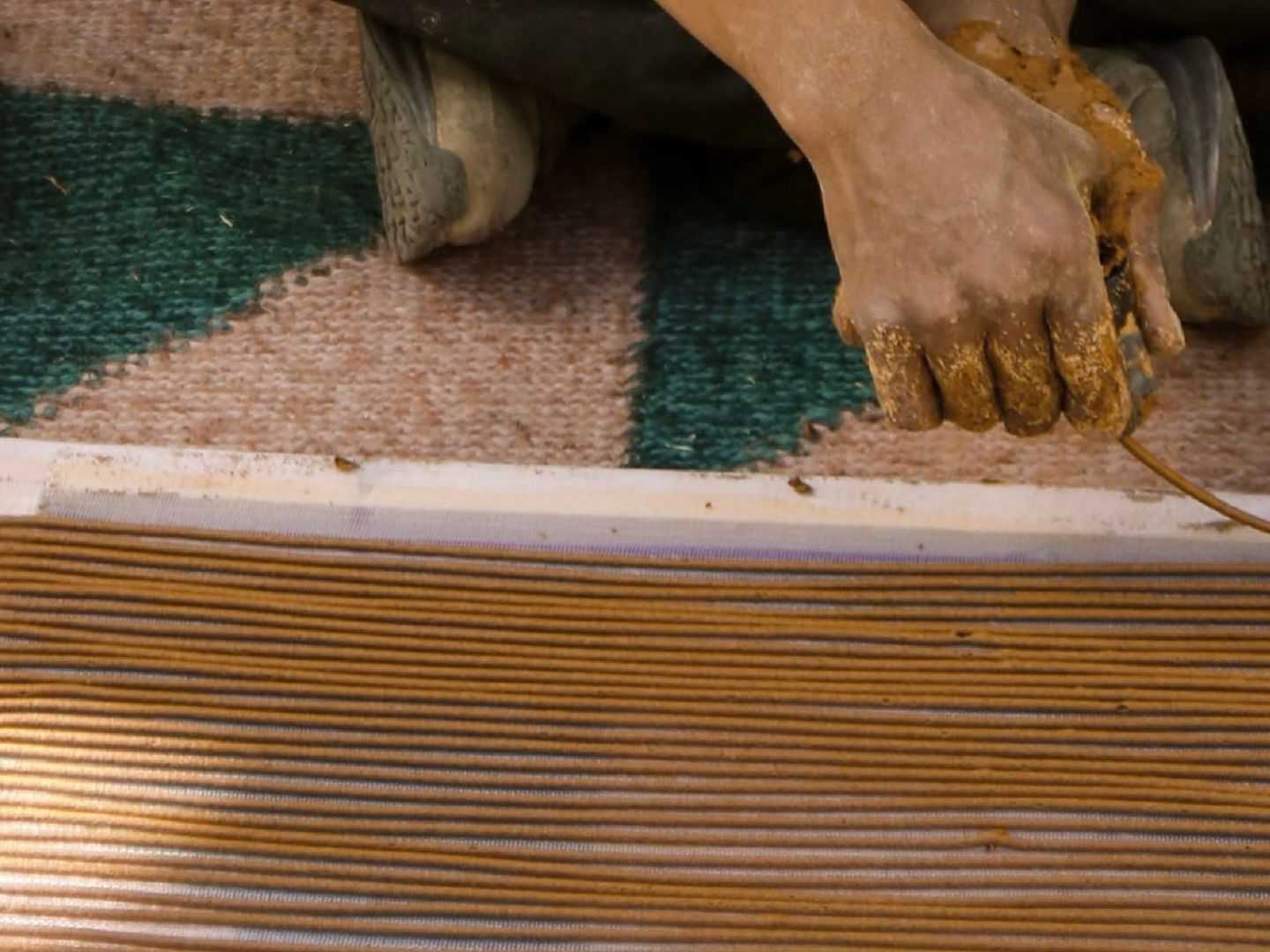
Next, we proceed to the intangible cultural heritage Tibetan incense workshop for an immersive cultural experience. The master craftsman will first elucidate the millennia-old history of Tibetan incense: beyond its role in rituals and blessings, it serves as an essential daily item for purifying air and invigorating the mind among Tibetans. Its ingredients are sourced from natural Tibetan medicinal herbs, including saffron, sandalwood, borneol, and costus root. Subsequently, under the master's guidance, you will handcraft your own bespoke Tibetan incense. Each step—from blending ingredients and kneading the incense paste to moulding it using traditional forms, drying, and trimming—adheres to ancient techniques, embodying the Tibetan aesthetic principle that "each fragrance and flavour bears the mark of the artisan's dedication." Your finished incense may be taken home as a unique memento of your Tibetan journey.
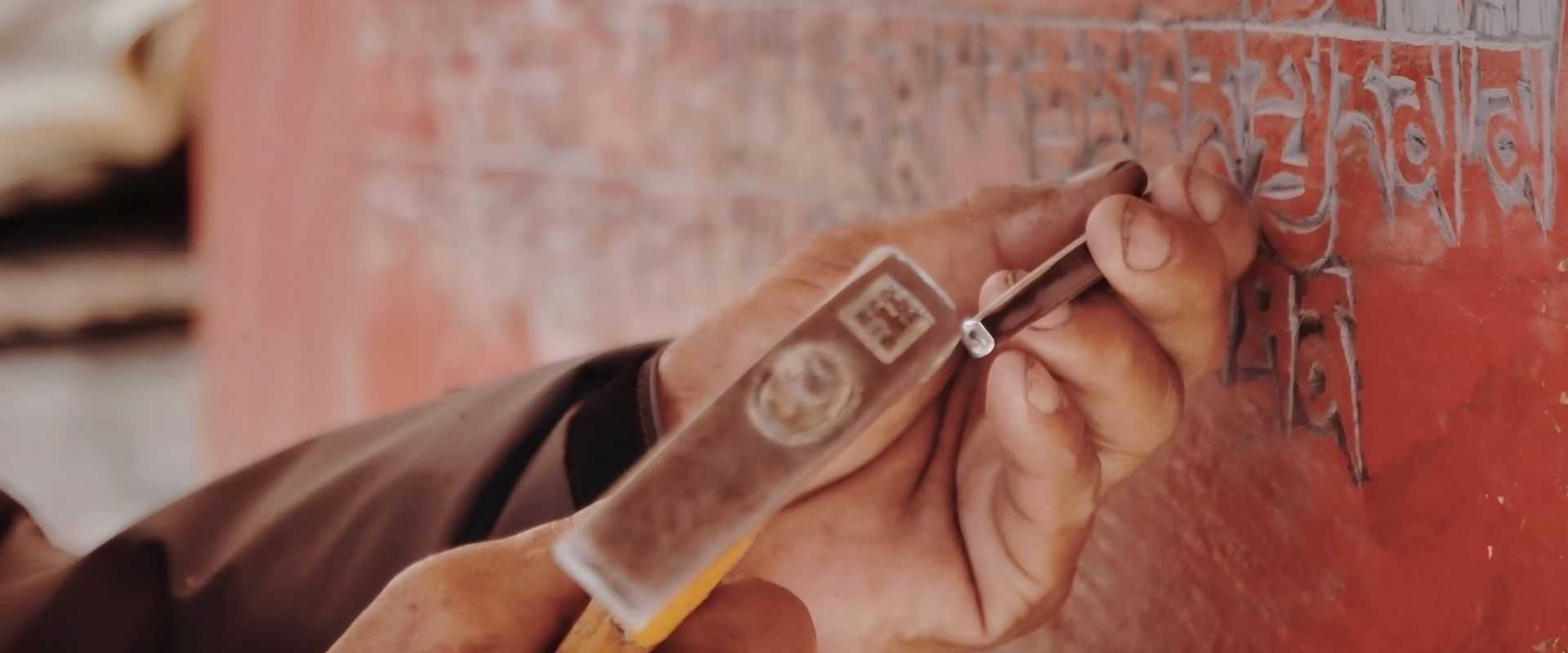
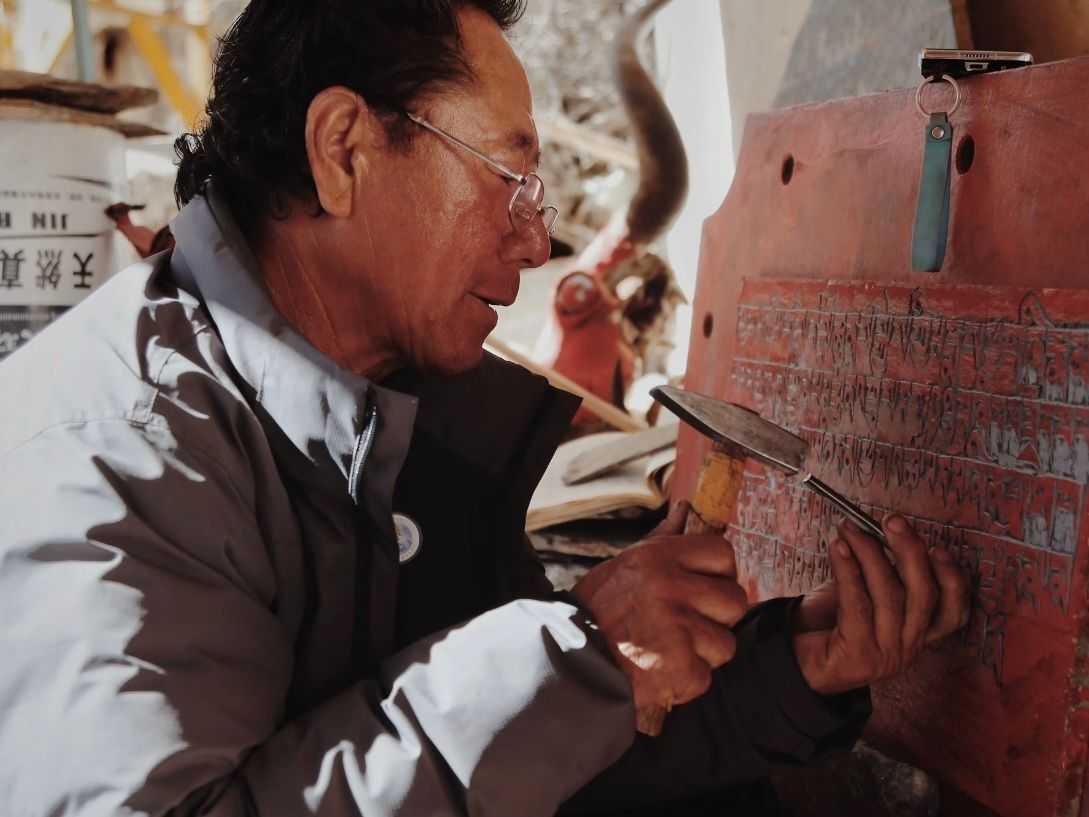
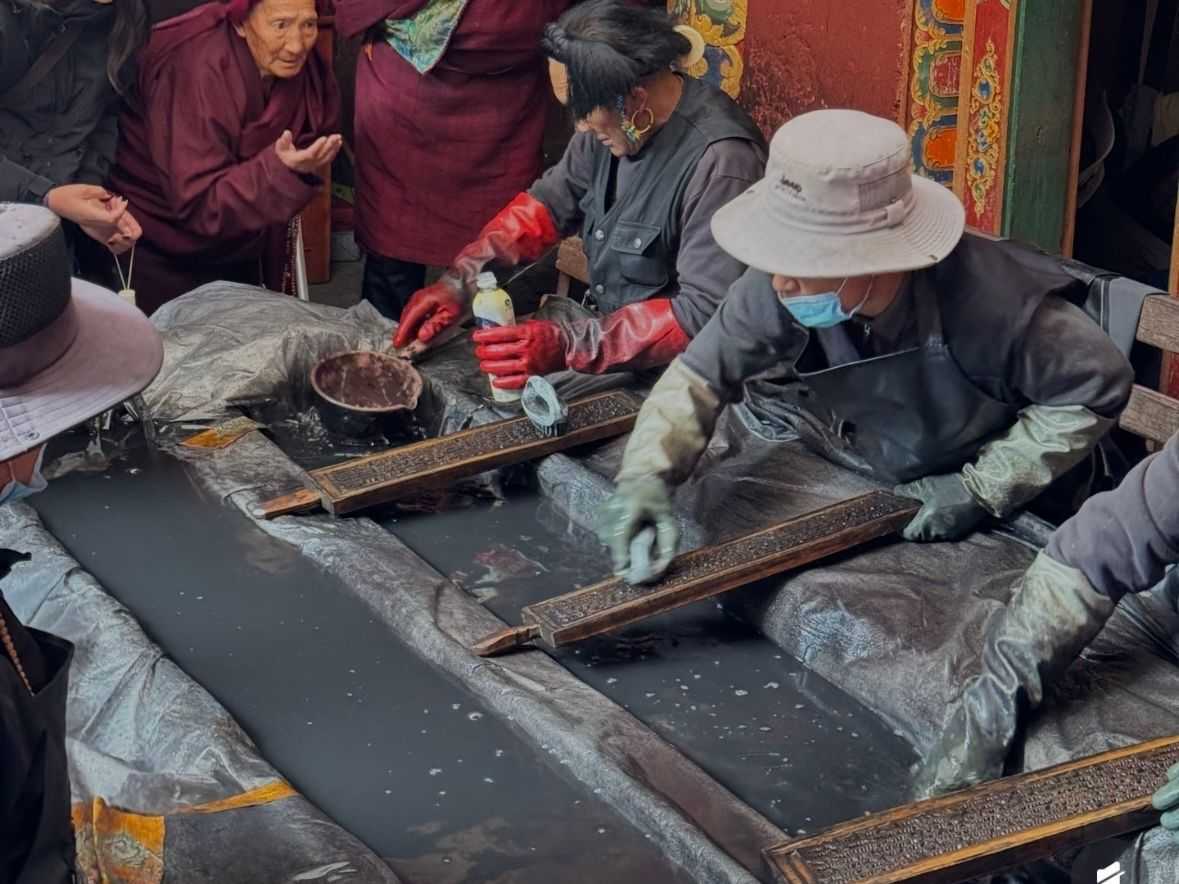
Next, proceed to the Tibetan script carving workshop, showcasing traditional Tibetan craftsmanship primarily divided into stone carving, wood carving, and scripture block engraving. Artisans use chisels to carve the Six-Syllable Mantra, scriptures, and Buddhist images onto stone slabs or wooden panels. These carvings are commonly found on mani stone piles, temple architecture, and ritual implement decorations. Characterised by bold, rustic lines and vermilion colouring, these works blend religious function with artistic value, embodying beliefs in blessings and disaster prevention. They stand as a significant cultural expression of the region.
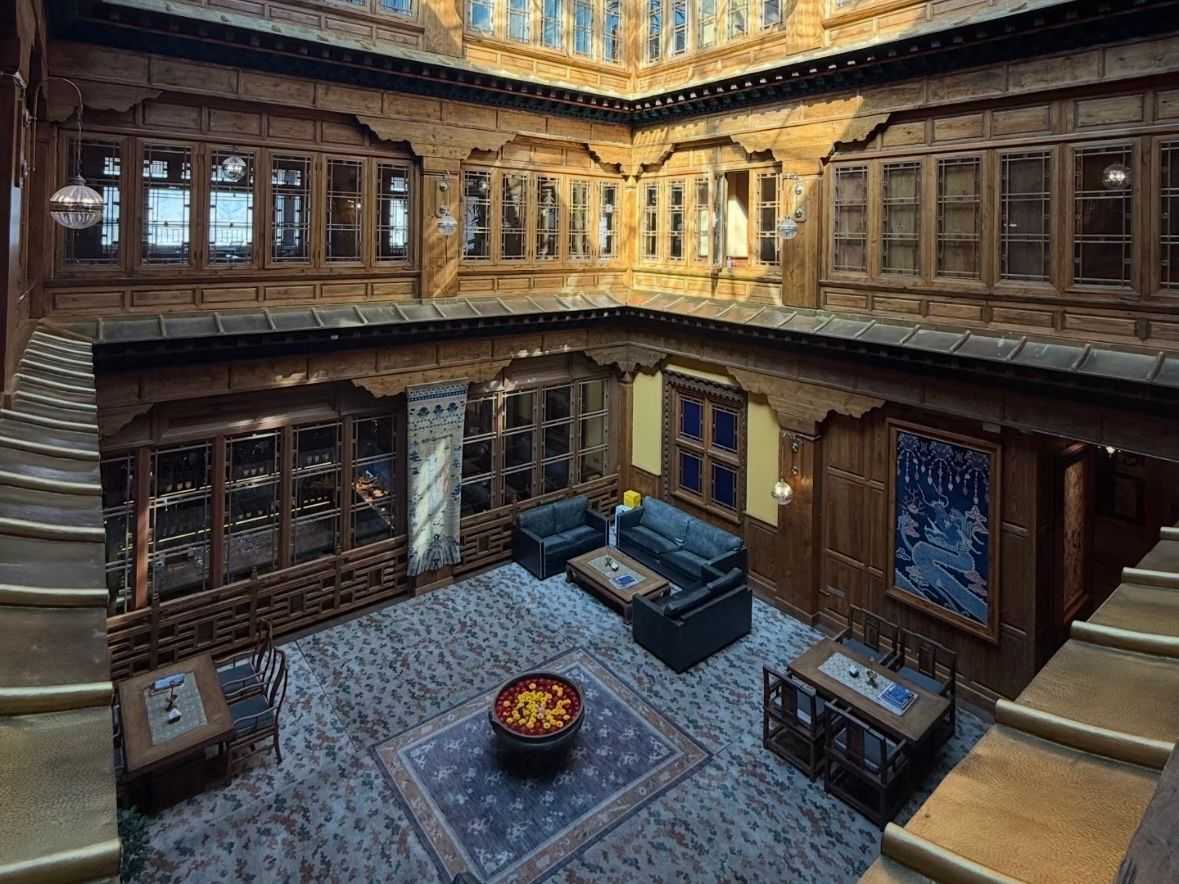
The farewell ceremony will be held at Songzanlinka, where the culinary experience blends Tibetan flavours with modern creativity, offering Chinese, Tibetan, and Western cuisine. The restaurant specialises in adapted traditional dishes such as Kena-style roasted leg of lamb, grilled mushrooms with tsampa, and Nixi chicken soup. Savouring Tibetan delicacies within architecture steeped in Tibetan aesthetic sensibilities provides the perfect conclusion to your splendid journey.
Begin Your Journey
Your Travel Time:
Number of people:
- Adults:
- Children:
Travel Type:
Hotel Standard:
Your Full Name:
* Your Email Adress:
More about Your Travel Plan:

Scan the QR code to contact us on WeChat Or submit an online inquiry
邮箱:pemasp0929@gmail.com
电话:+86-18889096622

加载中...